

GEOTECHNICAL REPORT
Every design of a geotechnical structure or intervention begins with geotechnical investigative works. A series of guidelines and rules for geotechnical design, as well as for geotechnical investigative works, and finally for the report on geotechnical investigative works, commonly referred to as the geotechnical report, is provided by Eurocode 7, which is composed of two parts:
- Eurocode 7: Geotechnical Design – Part 1: General Rules (EN 1997-1:2004/A1:2013)
- Eurocode 7: Geotechnical Design – Part 2: Ground Investigation and Testing (EN 1997-2:2007+AC:2010)
In this article, we will focus on the second part of Eurocode 7 and clarify the significance of the geotechnical report.
Given the large number of participants in all phases of work on a geotechnical structure or intervention (Figure 1), it is extremely important to ensure reliable and accurate information transfer. To ensure this, the processes in planning, investigation, and construction need to be precisely and clearly documented, which Eurocode 7 provides through two types of documents: the report on geotechnical investigative works (geotechnical report) and the geotechnical project.
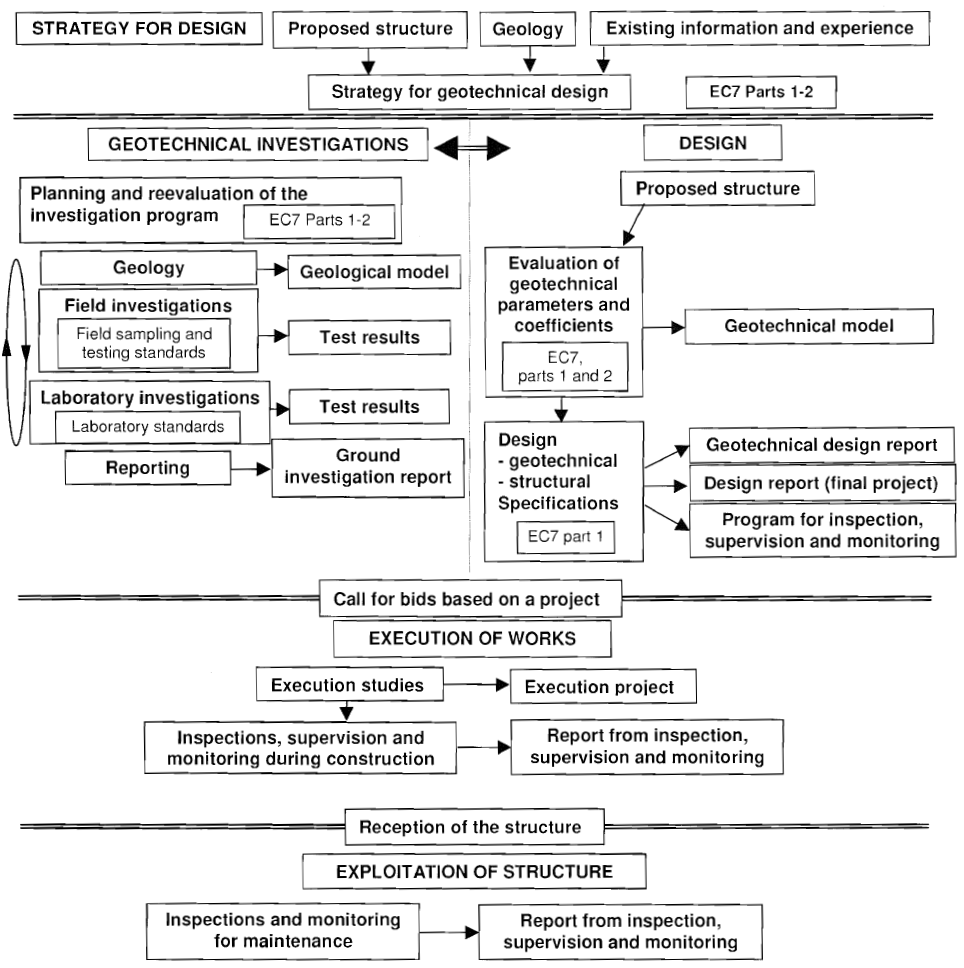
Figure 1 – Stages of ground investigation in geotechnical design, execution of works, and exploitation of the structure (HRN EN 1997-2:2012, 2012)
GEOTECHNICAL INVESTIGATIVE WORKS
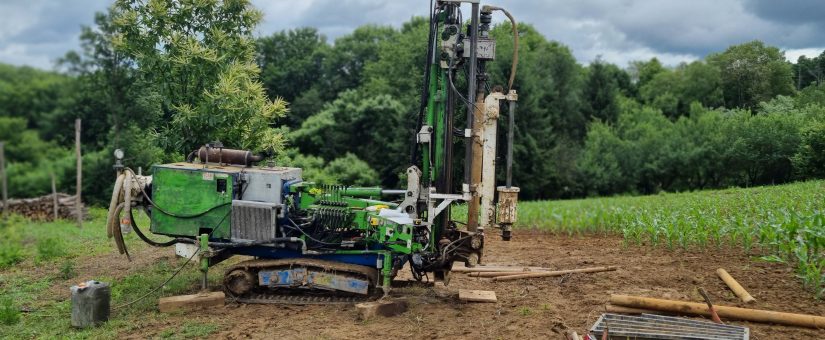
The aim of geotechnical investigative works (Figure 2) is to collect data about the foundation soil and rock, groundwater, geology, geomorphology, hydrology, seismicity, relevant phenomena at the site, surrounding buildings, and other relevant site data necessary for the design, construction, and use of a resilient, stable, usable, and durable structure. The scope of investigative works will depend on the specifics of each geotechnical structure or intervention, making it very difficult to prescribe the quantity and extent of geotechnical investigative works in a uniform manner.
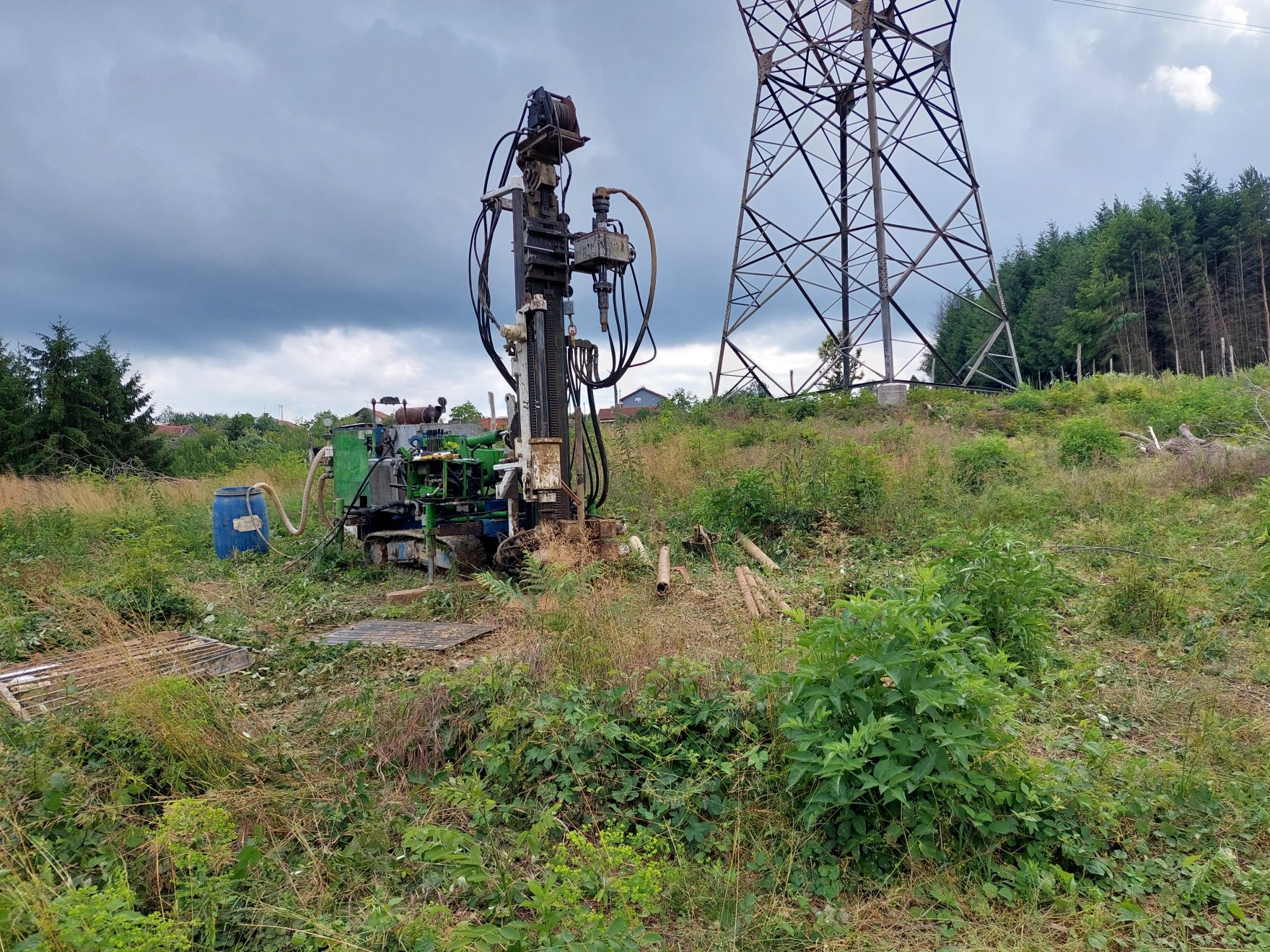
Figure 2 – Exploratory drilling of the underlying soil
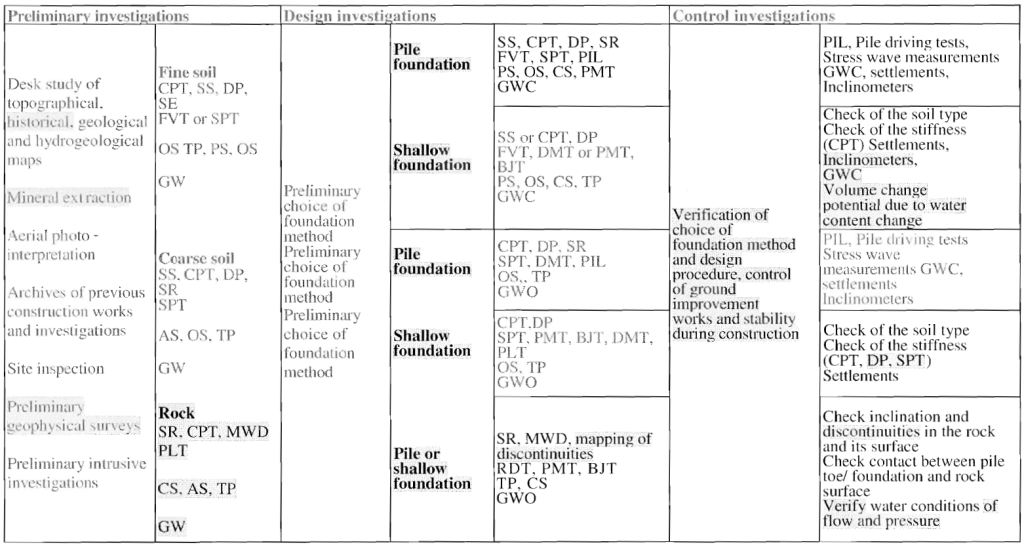
Eurocode 7 provides an overview of methods for investigating foundation soil at various stages (Table 1). For each individual geotechnical structure or intervention, a program of investigative works is prepared, in which all geotechnical investigative works are planned, taking into account the characteristics of the structure or intervention, as well as all other features at the site itself.
Table 1 – Selection of soil investigation methods in different stages (HRN EN 1997-2:2012, 2012)
RESULTS OF GEOTECHNICAL INVESTIGATION
The results of the geotechnical investigation are consolidated in the geotechnical report, which is part of the geotechnical project. The geotechnical report must include:
- a presentation of geotechnical data, i.e., a presentation of all field and laboratory tests, including the following essential information:
- participants in all tests
- the time period during which the tests were conducted
- a description of the intervention site and the surrounding area (areas of instability, presence of groundwater, site history, geological conditions, geodetic data, seismicity of the area…)
- methods, procedures, and final results of field and laboratory tests
- geotechnical evaluation of the data, which includes:
- a detailed description of all layers, including their physical properties and deformation and strength characteristics based on the investigation results
- tabular and graphical representation of field and laboratory investigation results in cross-sections of the foundation soil (geotechnical cross-section of boreholes and geotechnical cross-section of the foundation soil)
- interpretation of results in accordance with the testing methods used and their limitations
- recommendations for any necessary further field and laboratory investigations, if required
LITERATURE: HRN EN 1997-2:2012. (2012). Eurocode 7: Geotechnical Design Part 2: Ground Investigation and Testing. Croatian Standards Institute.
- Posted by RUDAR PROJEKT
- On 12th veljača 2025
- 0 Comment

